The chronicle of a death so often announced, that of painting, is nothing more than the narrative of a progressive liberating itself from layers and layers of dogma and ideology. With the first avantgarde movements was exempted from the obligation to represent the outside world but entrusted with the search for the Absolute or the search of a lost “ego”. With minimalism, they wanted to deprive painting of spirit so that it was only matter […]

Etiqueta: caixaforum
La pintura sigue dando guerra… en Caixaforum Barcelona
La crónica de una muerte tantas veces anunciada, la de la pintura, no es más que la narración de un progresivo liberarse de capas y capas de dogma e ideología. Con las primeras vanguardias se la eximió de la obligación de representar el mundo exterior pero se le encomendó la búsqueda del absoluto o de un yo extraviado. Con el minimalismo se la quiso despojar de espíritu para que fuera solo materia y forma, lo […]
Semiotics of passions in CaixaForum Barcelona
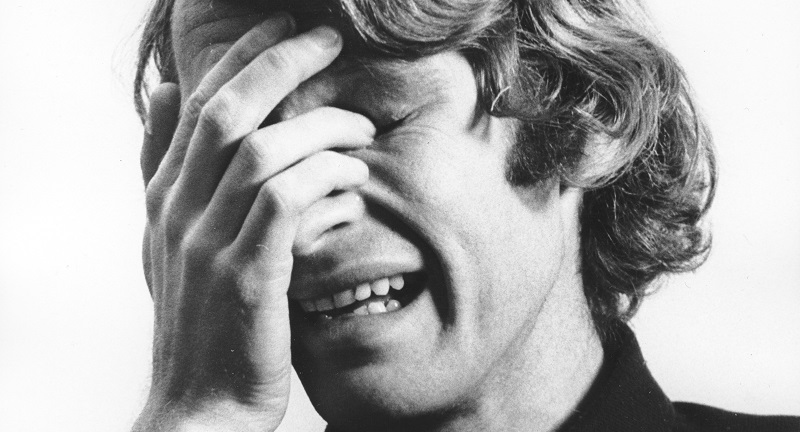
Darwin considered that letting out one’s emotions was something inappropriate for «civilized» men. Instead, crying was proper for weak personalities, that is, women with a hysterical tendency, senile old men and children, as well as «primitive» people. But, in spite of his andro and Eurocentric blindness, Darwin study of the phylogenetic transmission of behaviors and expressions influenced a thinker who would revolutionize the way of reading images and approaching the history of art, Aby Warburg. […]
Semiótica de las pasiones en CaixaForum Barcelona
Darwin consideraba que exteriorizar las emociones era algo impropio de los hombres “civilizados”, siendo el llanto identificativo de personalidades débiles, esto es, mujeres con tendencia histérica, niños y ancianos seniles, amén de los pueblos “primitivos”. Pero, curiosamente, a pesar de su obcecación andro y eurocéntrica, con su estudio de la transmisión filogenética de conductas y expresiones Darwin influyó a un pensador que habría de revolucionar el modo de leer las imágenes y abordar la historia […]
Cuando las obras abandonaron sus marcos
“Un hueco horroroso, inmenso”, exclamaba un periodista de Le Figaro ante el aspecto desolado de la pared del Louvre donde semanas antes había colgado La Mona Lisa. Tras el robo, las visitas al museo se incrementaron de tal modo que los diarios ironizaban sobre ello: “a algunas personas les gustan las obras de arte por sí mismas, a otras por el lugar que ocupan”, lucía un titular. Aquel carpintero italiano que, una mañana veraniega de […]
When paintings left their frames
«A horrible and immense hole», exclaimed a journalist from Le Figaro seeing the desolate aspect of the Louvre wall where weeks before had hung The Mona Lisa. After the robbery, the visits to the museum increased in such a way that the newspapers satirized about it: «some people like works of art by themselves, others by the place they occupy», said a headline. The Italian carpenter who, one summer morning in 1911, removed La Gioconda […]